Active ingredients
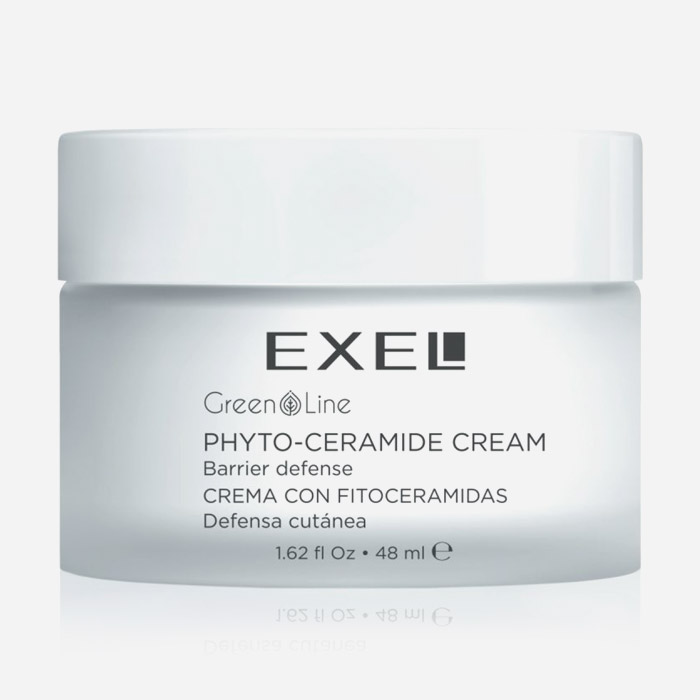
- Vegan Ceramides NP. Type of ceramide naturally found in skin. Research shows that Ceramide Np helps improve the look and feel of dry or dehydrated skin thanks to its water retention properties. It reinforces skin’s barrier strength to better resist external aggressors contributing to a supple, resilient skin.
- Allantoin. Can be derived synthetically or from vegetable source (Comfrey). Effective soothing agent and has moisturizing properties, giving it value especially in products designed to treat sensitive or compromised skin. It can also help mitigate skin’s response to stronger active ingredients and is often included in formulas to help buffer any potential adverse effects.
- Cocoa Tree Butter (Theobroma cacao seed butter). Oil extracted from cocoa beans, used as an emollient and with properties similar to those of other non-fragrant plant oils. Cocoa butter is a rich source of antioxidant polyphenols.
- Shea butter (Butyrospermum parkii). Renown natural butter that comes from the seeds of this african tree. An intense moisturizer and emollient, it also regenerates and soothes the skin and is rich in antioxidants like vitamin A, E, F, quercetin and epigallocatechin gallate.
- Damask rose oil (Rosa damascena). Rose oil contains more than 95 compounds, among them flavonoids, anthocyanins, vitamin C and quercetin that are all known for their medicinal properties and great antioxidant effects. Similar to many other essential oils, it has antimicrobial properties too.
- Phospholipids from soy bean lecithin (Liposomes).
- Maqui Extract (Aristotelia chilensis). Extract from the berries contain a potent type of anthocyanic antioxidant known as delphinidin, which can help skin´s defense against UV light exposure and other relevant antioxidants: polyphenols, flavanols, other anthocyanins and ellagic acid, all of which work to squelch damaging free radicals.
- Jojoba Oil (Simmondsia chinensis). Jojoba oil has a texture similar to skin sebum providing restoring and emollient properties.
- Aloe extract (Aloe barbadensis). Extract containing leaves of the Aloe vera plant. It has similar moisturizing, emollient and anti-inflammatory properties as the juice itself.
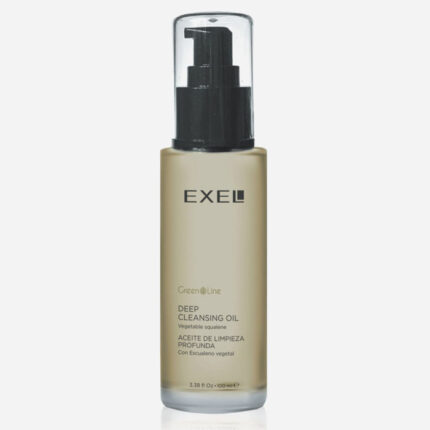
- Vegetable squalane. (100% Olive origin). Oil derived from shark liver or from plants (usually olives). It is also a natural component of skin’s sebum. Superb moisturizer and emollient with antioxidant properties making your skin look nice and smooth, without being heavy or greasy.
- Sodium hyaluronate (Hyaluronic acid and sodium salt).
- Vitamin E (Tocopheryl acetate). Fat-soluble antioxidant, it defends skin from pollution and other environmental stressors that lead to signs of aging, providing significant photoprotection against UVB rays.
- Coco-caprylate/caprate. Vegetable silicone obtained from Coconut plant. Emollient.
- Glycerin (vegetable source). Organic compound present in vegetable fat. Moisturizer.
- Propanediol. Natural alternative to propylene glycol, obtained from sugar. Solvent, moisturizing, emollient and softening.
- Cetyl alcohol. Gentle fatty alcohol used as an emollient (moisturizing ingredient), emulsifier, thickener, and carrying agent for other ingredients. It can be derived naturally, as in coconut fatty alcohol, or made synthetically
- Ceteraryl alcohol. Fatty alcohol either naturally derived (coconut) or made synthetically. Emollient emulsifier, it enhances the foaming capacity of a cleanser. According to the U.S. FDA, cosmetic products labeled “alcohol free” are allowed to contain cetearyl alcohol, because the effects do not pose a risk of damaging or sensitizing your skin.
- Glyceryl citrate/lactate/linoleate/oleate. 100% natural sunflower based liquid emulsifier.
- Sodium levulinate. Natural preservatives from starch and vegetable inulin.
- Sodium benzoate. Salt of benzoic acid, found naturally in foods like cranberries, apricots, mushrooms, and honey. It is used as a preservative in both cosmetics and food products, where it prevents both bacterial and fungal growth, though it is more active against the latter
- Cetyl alcohol. Gentle fatty alcohol used as an emollient (moisturizing ingredient), emulsifier, thickener, and carrying agent for other ingredients. It can be derived naturally, as in coconut fatty alcohol, or made synthetically
- Ceteraryl alcohol. Fatty alcohol either naturally derived (coconut) or made synthetically. Emollient emulsifier, it enhances the foaming capacity of a cleanser. According to the U.S. FDA, cosmetic products labeled “alcohol free” are allowed to contain cetearyl alcohol, because the effects do not pose a risk of damaging or sensitizing your skin.
- Potassium phosphate. Used as pH adjuster.
- Sucrose cocoate. Emulsifying, skin conditioning